3 Days Tanzania Safari
3 Days in Lake Manyara, Serengeti & Ngorongoro Crater


Africa's Garden of Eden
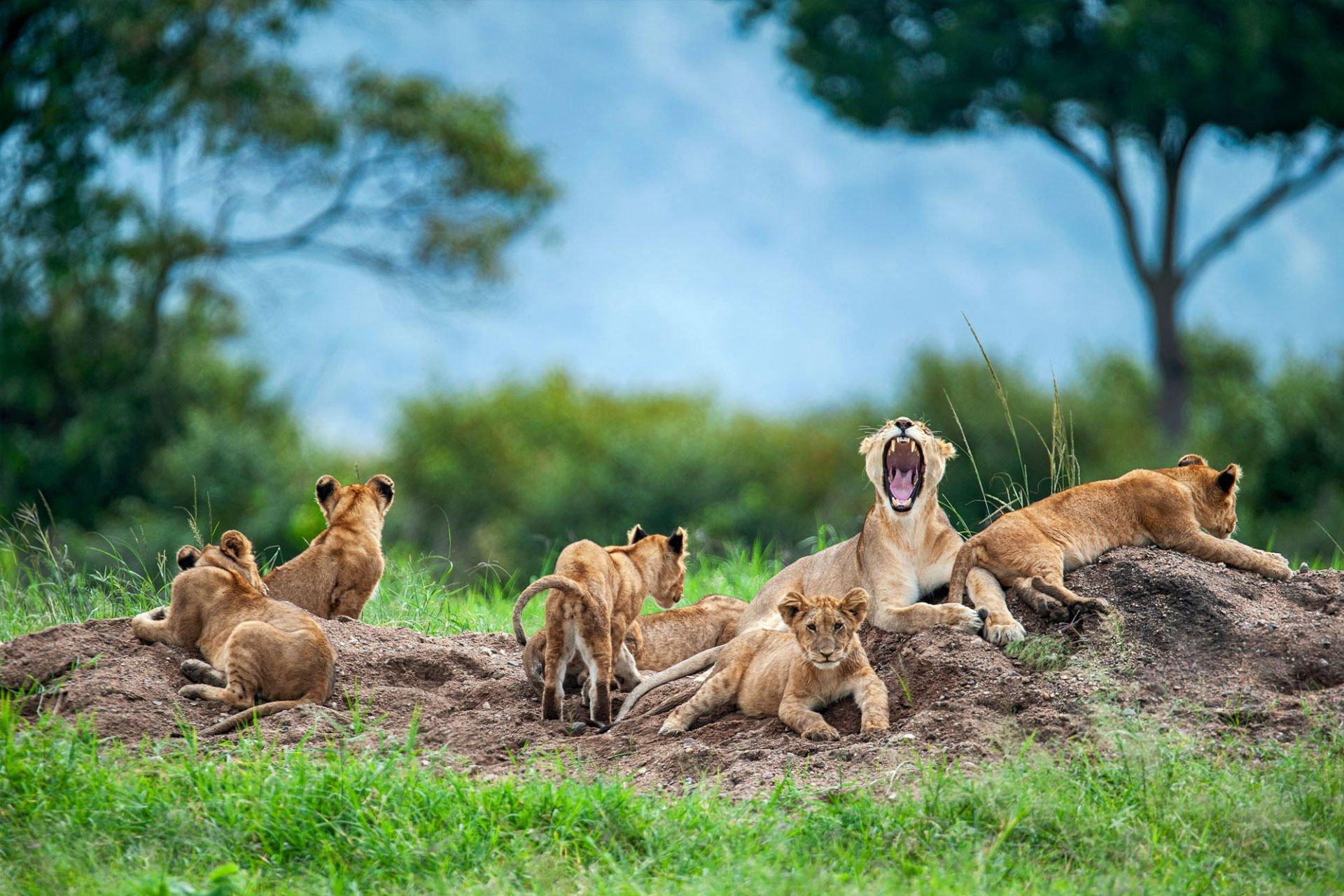
Ngorongoro Crater is one of Tanzania's most remarkable safari destinations, a UNESCO World Heritage Site and the world's largest intact volcanic caldera, about 260 square kilometres in size.
Its walls rise some 600 metres above a floor of grassland, forest, swamp, and soda lake, home to lions, elephants, buffalo, and one of Africa's best chances of seeing the endangered black rhino.
A descent into the crater is a wildlife experience unlike any other, with thousands of animals living within a single natural amphitheatre.
Few places in Africa pack so much wildlife and scenery into so small an area.
The crater walls form a natural enclosure, so animals live here year-round and sightings are excellent in almost every season.
Roughly 25,000 large animals live inside the crater.
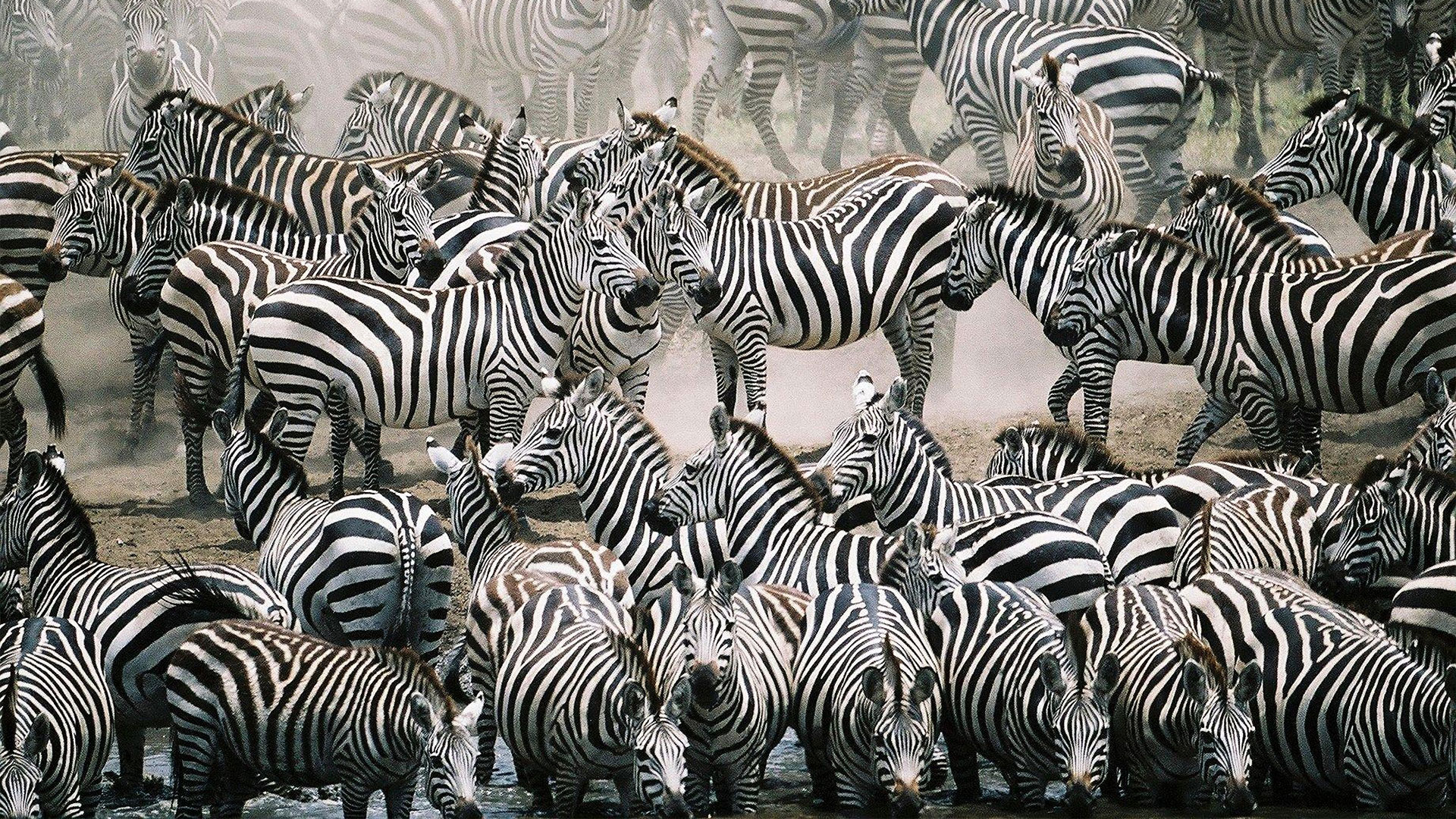
Open grassland makes animals easy to spot and photograph, and a morning game drive on the crater floor can include lions on the hunt, elephants at the forest edge, and herds of grazers across the plains.
Wildlife is wild and no sighting can be guaranteed, but the setting gives you some of the best odds in Tanzania.
Rhinos are rare everywhere, and the crater is one of the best places to look for them.
Several habitats sit side by side on the crater floor.
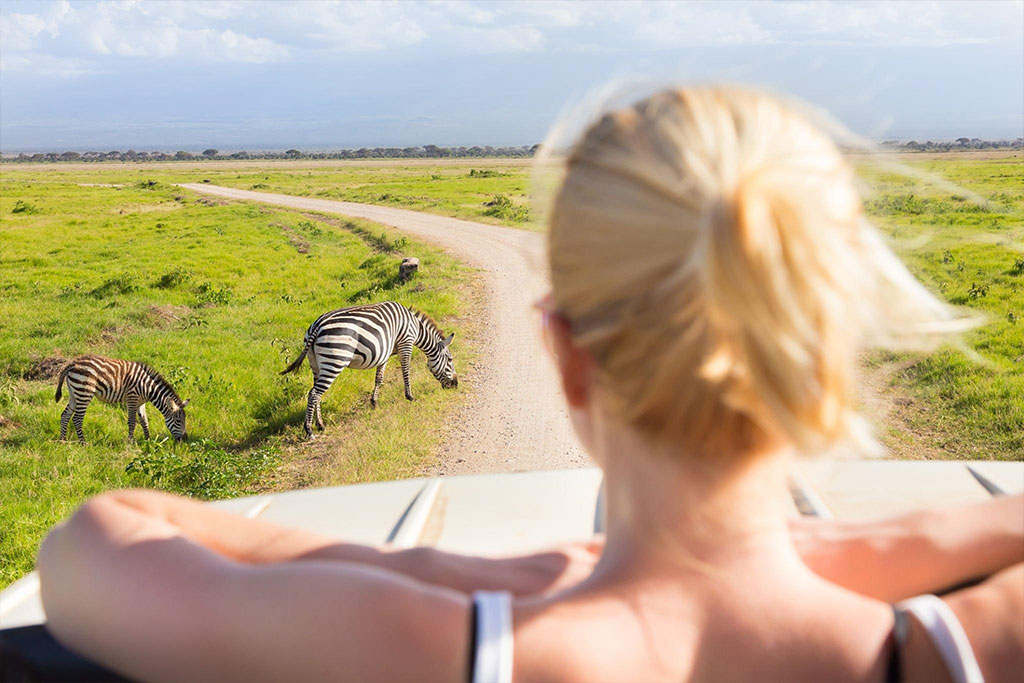
Lake Magadi is a shallow soda lake that often attracts flamingos. The Lerai Forest is a fever-tree woodland where elephants and monkeys shelter, and the Ngoitokitok Spring is a popular picnic spot beside hippos and birdlife.
Swamps, rivers, and open plains add a wide variety of birds, from ostriches and secretary birds to cranes and eagles.
One crater, many ecosystems, and a new scene around every bend.
Ngorongoro is much more than the crater itself.
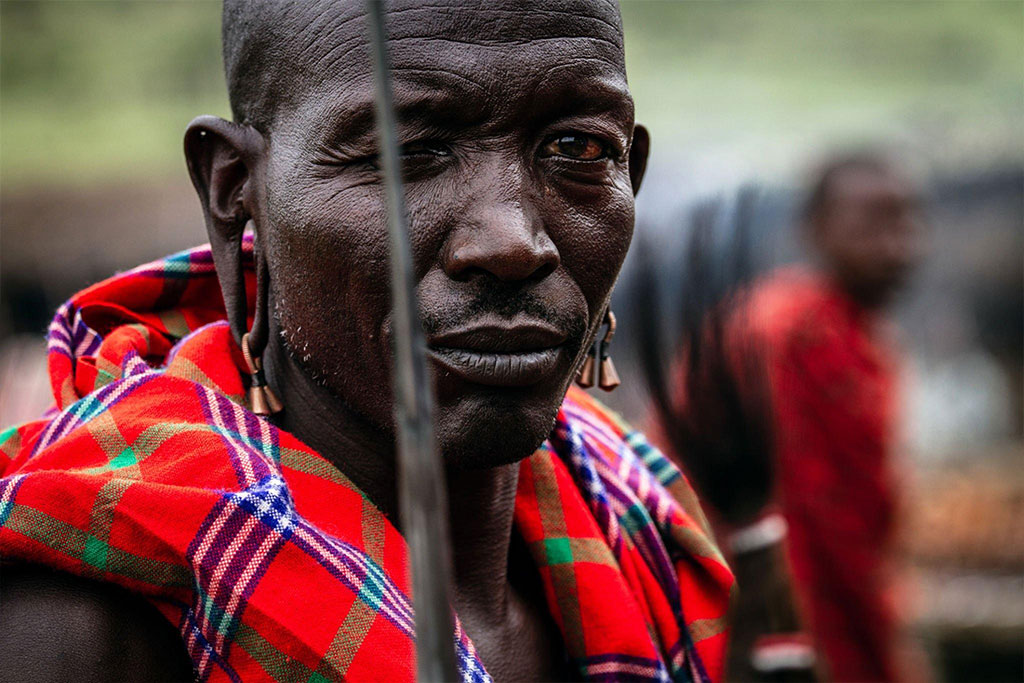
The wider Ngorongoro Conservation Area is a multiple-use landscape where Maasai pastoralists graze their livestock alongside wildlife. With the right arrangements, you can learn about their traditions.
Nearby, Olduvai Gorge is a famous archaeological site that has revealed important evidence of early human ancestors. Adventurous travellers can also hike in the highlands or visit Empakaai Crater and its soda lake.
Wildlife, culture, and human history meet in one remarkable landscape.
The crater can be visited all year, and the best time depends on what you want from your trip.
June to October is the dry season, with clearer weather and animals gathering near water on the crater floor.
November to May is the green season, with lush scenery and fewer visitors, though the long rains from March to May can bring heavy showers.
The crater rim sits high, so mornings and evenings can be cool at any time of year. Bring warm layers.
Tell us your dates and we will plan around them.
Ngorongoro sits on the classic northern safari circuit.
Most itineraries pair the crater with the Serengeti, Tarangire National Park, and Lake Manyara, so you can see very different landscapes within a few days.
You can also extend your journey with a relaxing Zanzibar beach holiday, or combine your safari with a Kilimanjaro climb.
Choose a Tanzania safari from 3 to 6 days that includes Ngorongoro Crater. Every trip can be adjusted to your dates, pace and interests.
3 Days in Lake Manyara, Serengeti & Ngorongoro Crater
4 Days in Tarangire, Serengeti & Ngorongoro Crater
5 Days in Tarangire, Serengeti & Ngorongoro
6 Days in Tarangire, Ngorongoro, Serengeti & Lake Manyara
Tell us your dates and how you imagine your Ngorongoro safari, and we’ll design a journey around you.
Every traveller has different priorities.
Some come for the chance to see black rhino. Others want big cats, photography, Maasai culture, or the sheer beauty of the crater.
A private Ngorongoro safari lets your itinerary be shaped around your interests, travel dates, preferred accommodation, and desired pace.
Talk to a Tanzania safari expert →Answers to the questions travellers ask most about Ngorongoro Crater.
Ngorongoro is known for being the world's largest intact volcanic caldera and for its dense concentration of wildlife. It is a UNESCO World Heritage Site and one of the best places in Tanzania to see lions, elephants, buffalo, hippos, flamingos, and the endangered black rhino.
Lions, elephants, buffalo, leopards, and black rhinos all live in the crater. Leopards are shy and rhinos are rare, so those two are the hardest to find. Wildlife is wild and sightings can never be guaranteed, but the crater offers some of the best chances in Tanzania.
The crater can be visited all year. June to October is the dry season, with the easiest game viewing. November to May is greener and quieter, although the long rains from March to May can be wet. The best time depends on your priorities.
Most travellers do one crater game drive, usually of around six hours, and spend a night at a lodge on the rim. Adding a second night allows time for the Conservation Area, Maasai culture, or a hike. We can suggest what suits your dates.
Ngorongoro is a drive from Arusha, usually with a stop at Lake Manyara or Tarangire National Park on the way. It is also on the road between Arusha and the Serengeti, so it combines naturally with the northern safari circuit.
The crater rim sits at a high altitude, so mornings and evenings can be chilly, especially from June to August. The crater floor is warmer during the day. We recommend bringing layers, a warm jacket, and a hat.
You descend a steep road into the crater early in the morning, then spend several hours exploring the floor in a 4x4 safari vehicle with an expert guide. A picnic lunch is usually enjoyed at a hippo pool, and you ascend again in the afternoon.
Yes. Ngorongoro is very often paired with the Serengeti, Tarangire, and Lake Manyara. You can also climb Kilimanjaro before your safari or finish with a Zanzibar beach holiday, creating a complete Tanzanian journey.
Yes. Cultural visits and a stop at Olduvai Gorge can be added to many itineraries, depending on your route and time. We can arrange these respectfully with local guides.
Share your preferred travel dates, number of travellers, parks of interest, accommodation style, and budget. Your safari can then be designed around your priorities, whether you are planning a short wildlife escape or a longer journey across Tanzania.