3 Days Tanzania Safari
3 Days in Lake Manyara, Serengeti & Ngorongoro Crater


Where the Rift Valley Meets the Water
Lake Manyara National Park is a compact, scenic gem in northern Tanzania, set between the dramatic Rift Valley escarpment and a shallow alkaline lake that covers much of the park.
It is known for its tree-climbing lions, large herds of elephants, big troops of baboons, hippos, giraffes, and a bird list of hundreds of species, including flamingos when conditions suit them.
In a single day you can pass through groundwater forest, acacia woodland, open grassy floodplains, and the lake shore, which makes Manyara one of the most varied small parks in Africa.
It is also an easy first stop: close to Arusha and on the way to the Serengeti and Ngorongoro Crater.
Manyara packs forest, lake, and escarpment views into one easy-to-reach park.
Its smaller size means short distances between habitats, so you can see a lot in half a day or a full day without long drives.
It pairs naturally with Tarangire, Ngorongoro Crater, and the Serengeti on a longer Tanzania itinerary.
Manyara is famous for lions that rest in the branches of acacia trees.
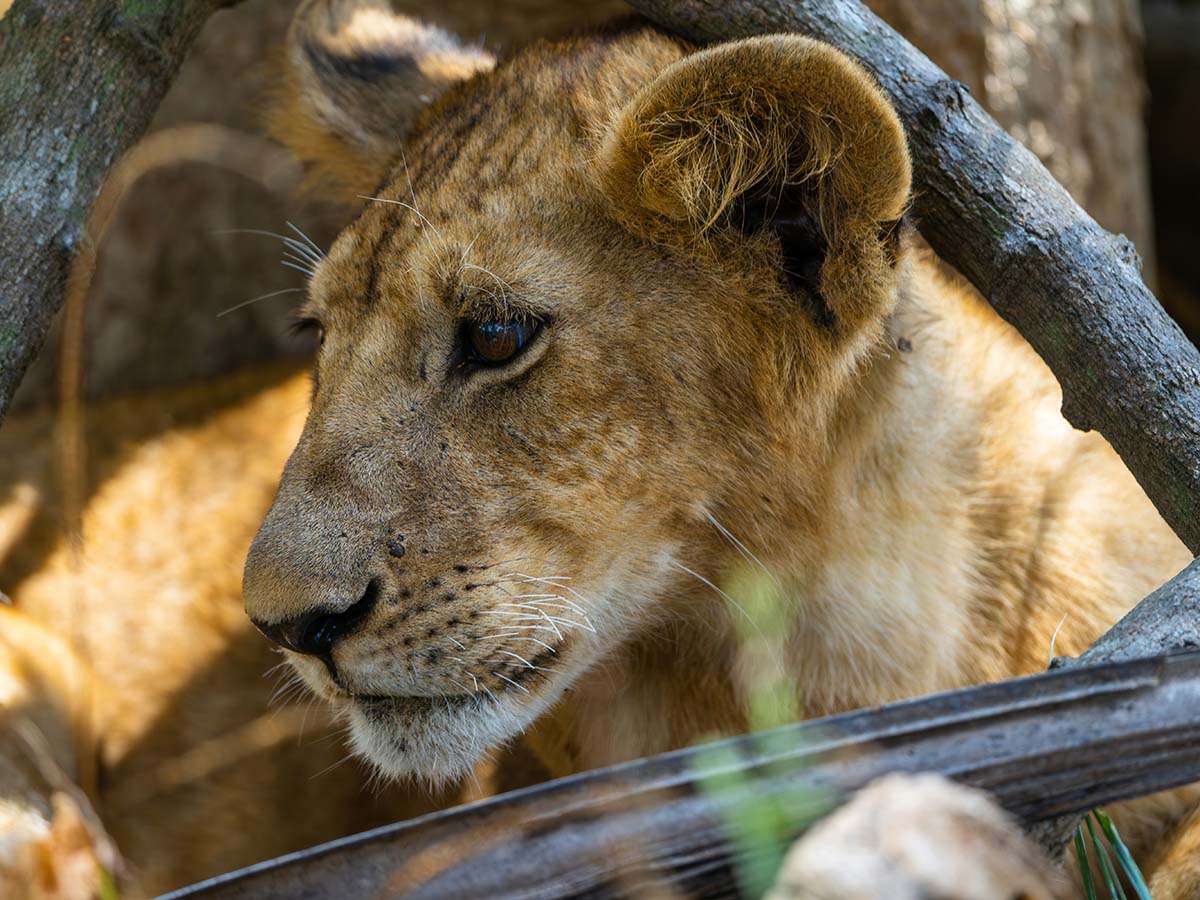
Sightings of lions in trees are possible, though never guaranteed, and are more likely at some times of year than others. Your guide will know where to look.
Elephants, buffalo, giraffes, zebras, wildebeest, and impala are regularly seen, and the park is known for its very large baboon troops.
Close views of elephants and primates are a Manyara highlight.
Near the park entrance, springs from the escarpment feed a shady forest of tall trees.
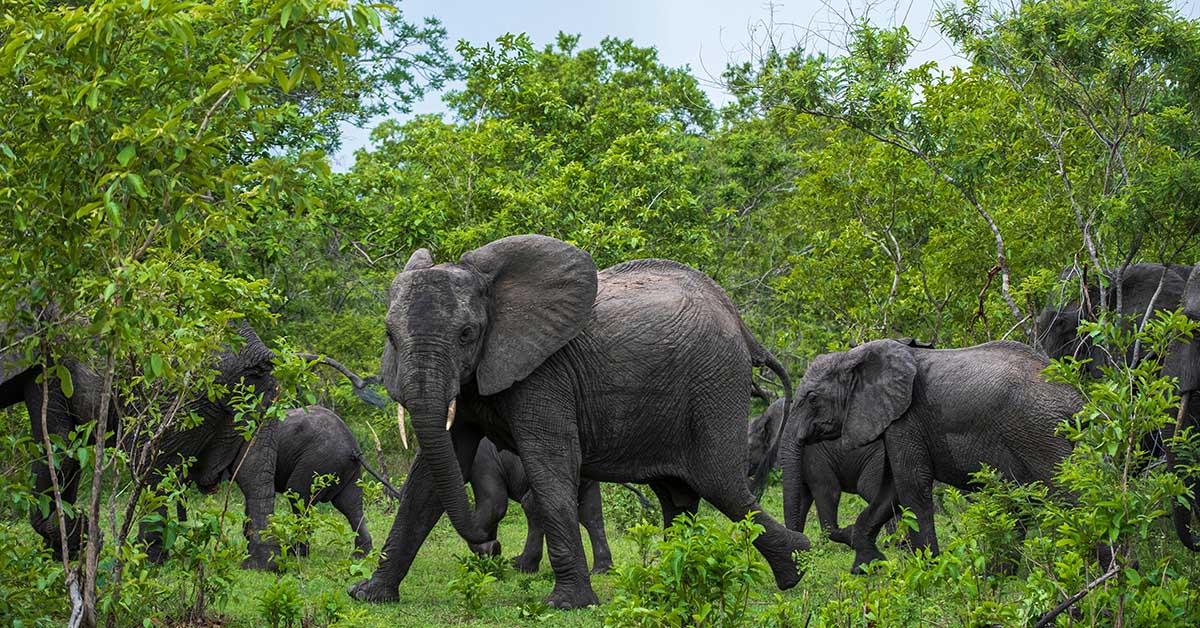
The cool, green forest is a haven for blue monkeys, baboons, elephants, and forest birds, and it feels very different from the open plains of other parks.
Begin your drive in the forest, then watch the landscape open onto the lake.
The shallow alkaline lake changes with the seasons.
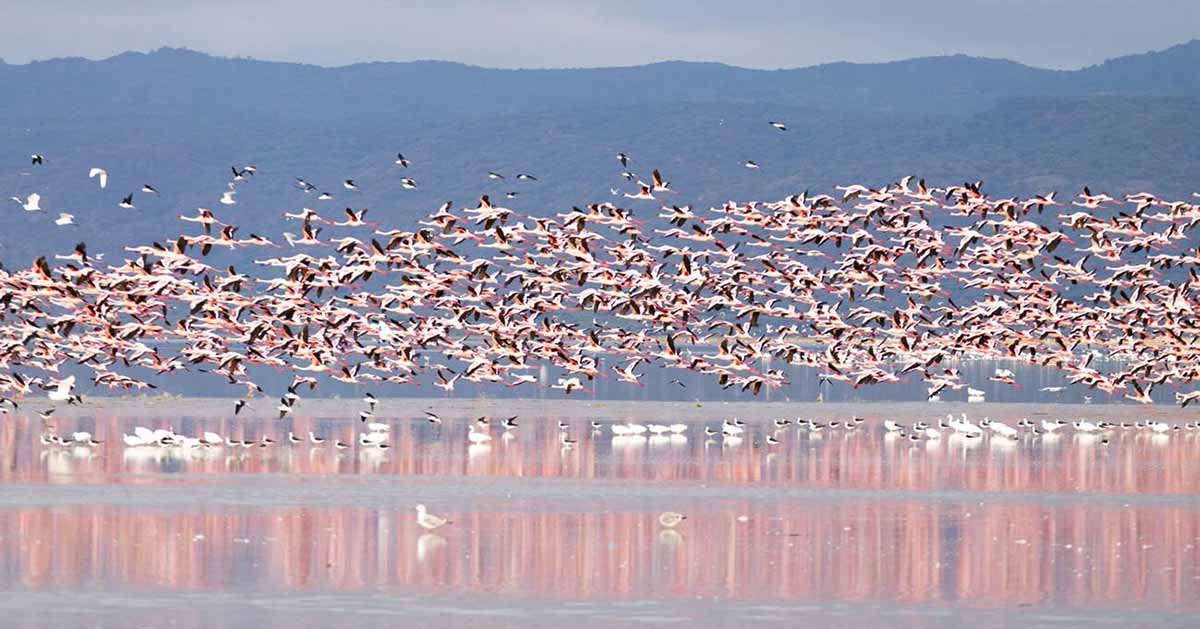
When water levels and food are right, flamingos and other waterbirds gather along the shore, alongside pelicans, storks, and many more species.
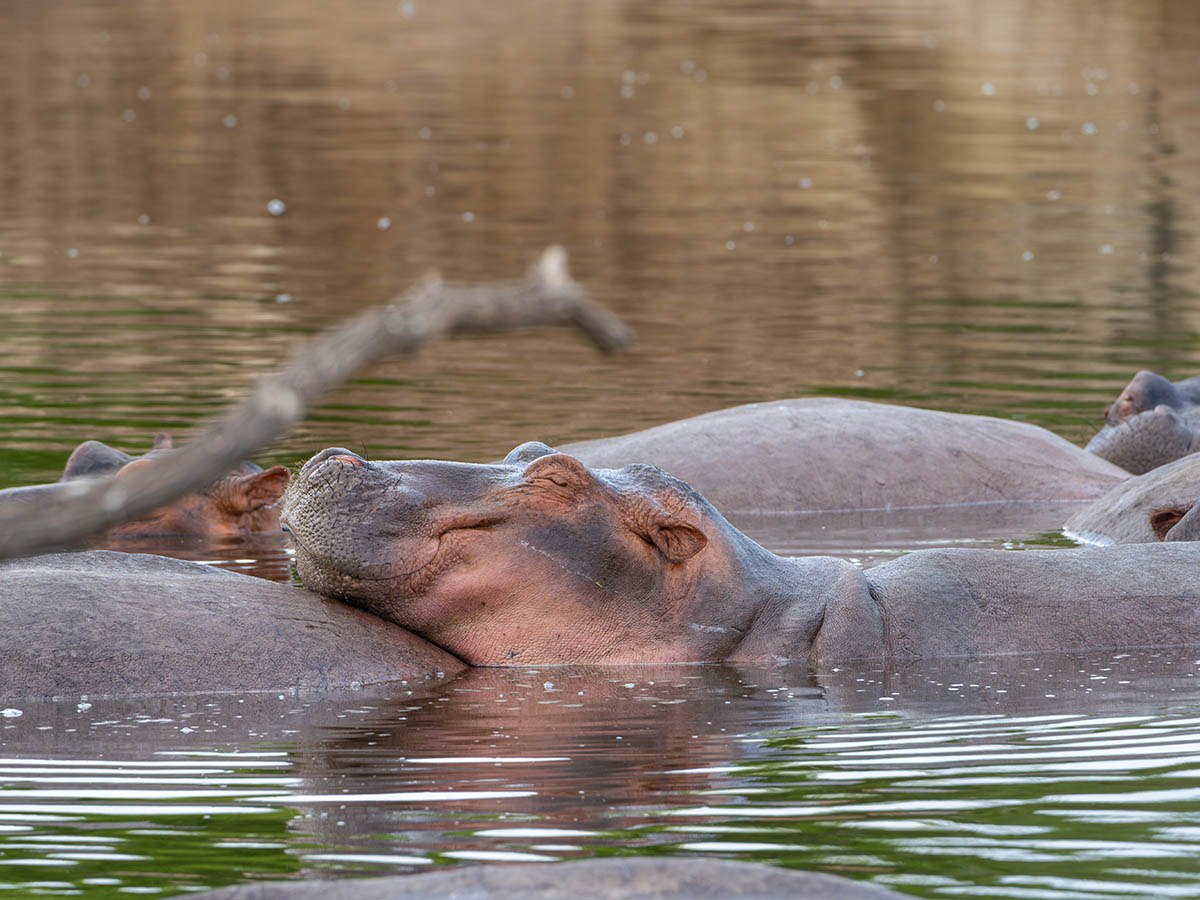
Hippo pools and open floodplains offer good views for photography, and the escarpment forms a dramatic backdrop.
Water levels vary, so ask us what to expect on your dates.
Manyara can be visited all year, and the best time depends on your interests.
June to October is the dry season, when wildlife gathers near water and roads are easier to travel.
November to May is the green season, with lush scenery and the best birdlife, including migrant birds. The long rains of March to May can bring muddy roads and fewer visitors.
Approximate highlights:
Conditions change with the rains from year to year.
Tell us your dates and we will plan around the season.
A Lake Manyara safari can include much more than wildlife viewing.
Depending on your itinerary, you can add cultural visits to Mto wa Mbu village, bird watching, photography, and time at Ngorongoro Crater, Tarangire National Park, or the Serengeti.
You can also extend your journey with a relaxing Zanzibar beach holiday, or combine your safari with a Kilimanjaro climb.
Choose a Tanzania safari that includes Lake Manyara National Park. Every trip can be adjusted to your dates, pace and interests.
3 Days in Lake Manyara, Serengeti & Ngorongoro Crater
6 Days in Tarangire, Ngorongoro, Serengeti & Lake Manyara
Tell us your dates and how you imagine your Lake Manyara safari, and we’ll design a journey around you.
Every traveller has different priorities.
Some want tree-climbing lions and elephants. Others are drawn to birdlife, photography, forest scenery, or an easy first day on safari before heading to the Serengeti.
A private Lake Manyara safari lets your itinerary be shaped around your interests, travel dates, preferred accommodation, and desired pace.
Whether you are planning a short wildlife escape or a longer journey across Tanzania, your safari can be tailored to create the experience you want.
Talk to a Tanzania safari expert →Answers to the questions travellers ask most about Lake Manyara safaris.
Lake Manyara is known for its tree-climbing lions, large elephant herds, big baboon troops, hippos, and birdlife, all set between a shallow alkaline lake and the Rift Valley escarpment. Its groundwater forest, woodland, and floodplains make it one of the most varied small parks in Tanzania.
The park can be visited all year. June to October is the dry season, when wildlife is easier to spot. November to April is greener, with the best birdlife. The long rains from March to May can make some roads muddy. The best time depends on what you most want to see.
They are possible but never guaranteed. Lions here sometimes rest in acacia trees, and sightings vary with the season and where the pride is that day. Your guide will do everything possible to find them, but wildlife is wild.
Flamingos and other waterbirds can gather on the lake, but numbers change with water levels and food supply, and in some seasons there are few. We can advise on what to expect for your dates.
Elephants, buffalo, and lions are found here, and leopards are present but rarely seen. There are no rhinos in the park. Travellers wanting the best chance of rhinos often add Ngorongoro Crater to their itinerary.
Many travellers spend half a day to a full day, or one night, in the park, often as the first stop before Ngorongoro Crater or the Serengeti. Birdwatchers and photographers may enjoy a longer stay. We can suggest a length that fits your dates and interests.
Lake Manyara is roughly 2 to 3 hours by road from Arusha, close to the village of Mto wa Mbu, and sits on the usual route towards Ngorongoro and the Serengeti. Your itinerary can be planned around the option that suits your time and comfort.
Yes. Lake Manyara pairs easily with Tarangire, Ngorongoro Crater, and the Serengeti. You can also climb Kilimanjaro before your safari or finish with a Zanzibar beach holiday, creating a complete Tanzanian journey.
Some activities, such as guided walks or night game drives, may be possible depending on the park rules, your accommodation, and the season. Tell us what interests you and we will check what can be arranged.
Share your preferred travel dates, number of travellers, parks of interest, accommodation style, and budget. Your safari can then be designed around your priorities, whether you are planning a short wildlife escape or a longer journey across Tanzania.