4 Days Tanzania Safari
4 Days in Tarangire, Serengeti & Ngorongoro Crater


Land of Giants and Baobabs
Tarangire National Park is one of northern Tanzania's most rewarding safari destinations, a landscape of rolling savannah, winding river, swamps, and ancient baobab trees covering roughly 2,850 square kilometres.
It is famous for its large herds of elephants, and for lions, leopards, buffalo, giraffes, and a wide range of antelope and birds, especially in the dry season.
Tarangire is quieter than many of Tanzania's better-known parks, so it is a good choice for travellers who want rich wildlife viewing with a more relaxed feel.
Tarangire combines huge elephant herds, striking scenery, and wide-open game viewing.
The Tarangire River is the main source of water in the dry season, so wildlife gathers along its banks, which makes game viewing especially rewarding. It also sits on the main northern safari circuit, so it is easy to combine with other parks.
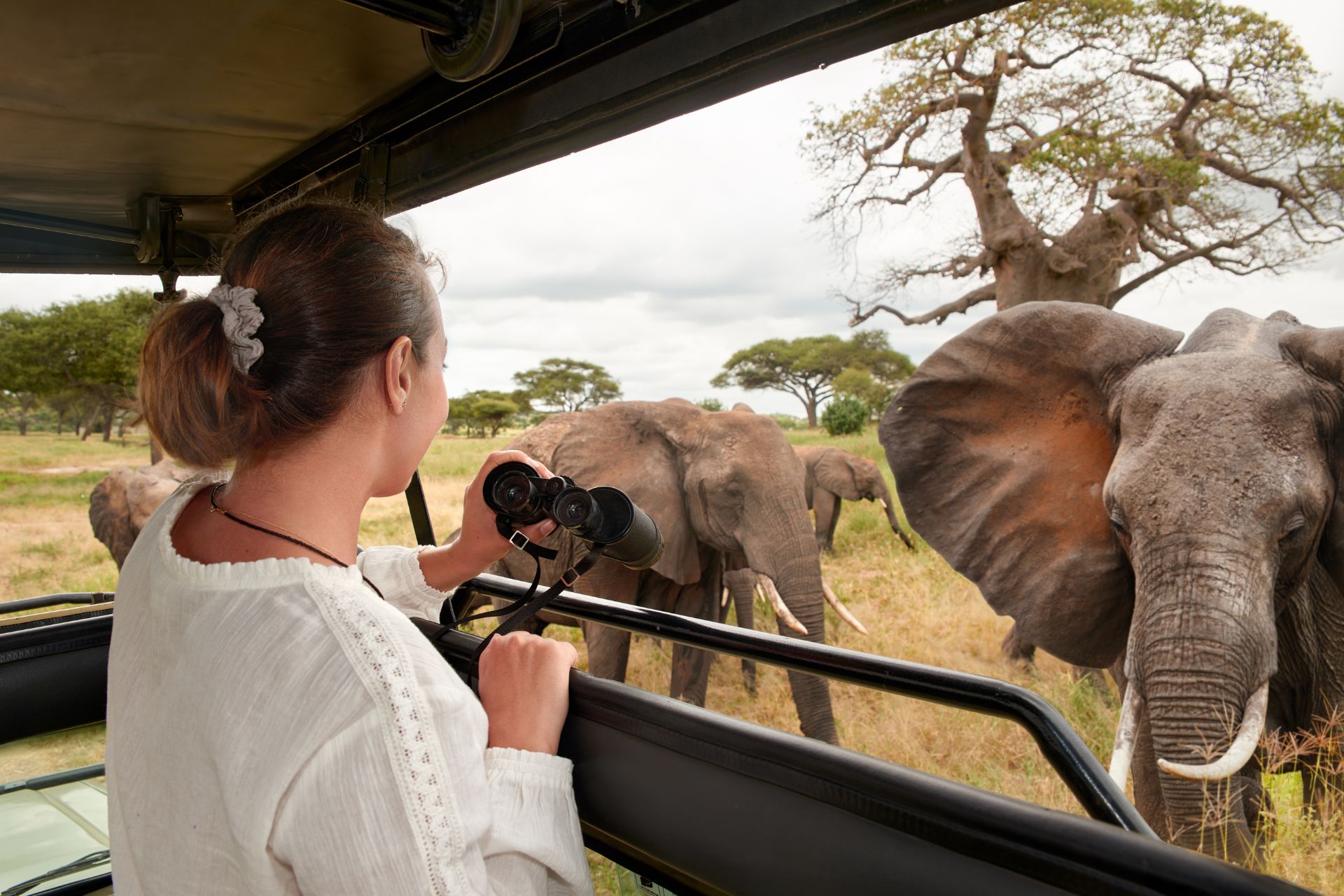
Tarangire is best known for its elephants.
Family herds gather along the river to drink and play, and it is possible to see dozens of elephants at once, from tiny calves to large bulls.
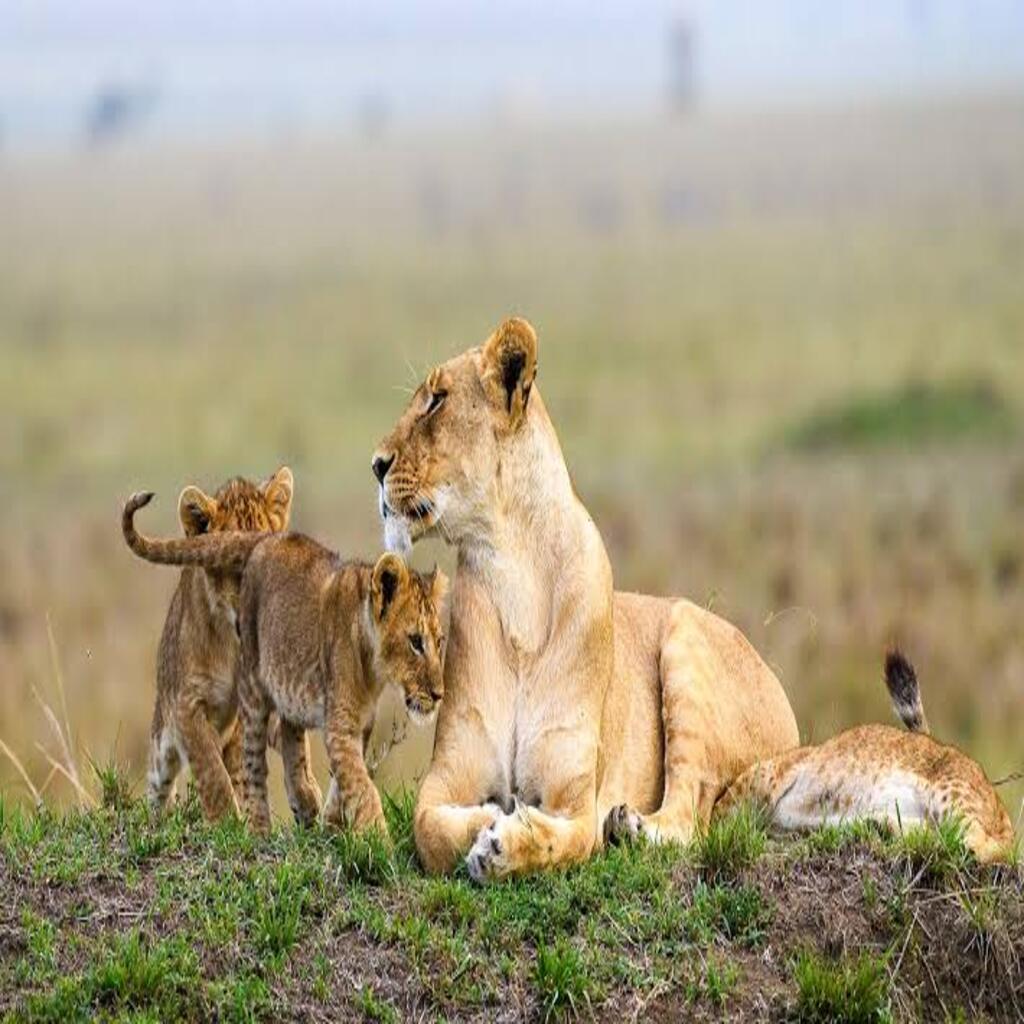
Lions, leopards, and cheetahs are also found here, and many other animals gather near the water, including zebras, wildebeest, giraffes, and buffalo. Wildlife is wild and sightings can never be guaranteed, but the dry season gives you excellent chances.
Few parks offer such memorable elephant encounters.
Tarangire's scenery is as distinctive as its wildlife.
Baobab trees, some of them hundreds of years old, rise above the savannah and give the park its unmistakable silhouette. Termite mounds, acacia woodland, and rocky hills add variety.
The Tarangire River winds through the park, and seasonal swamps in the south attract large numbers of birds and animals.
A landscape that looks different with every turn of the road.
Tarangire is a rewarding park for birdwatchers.
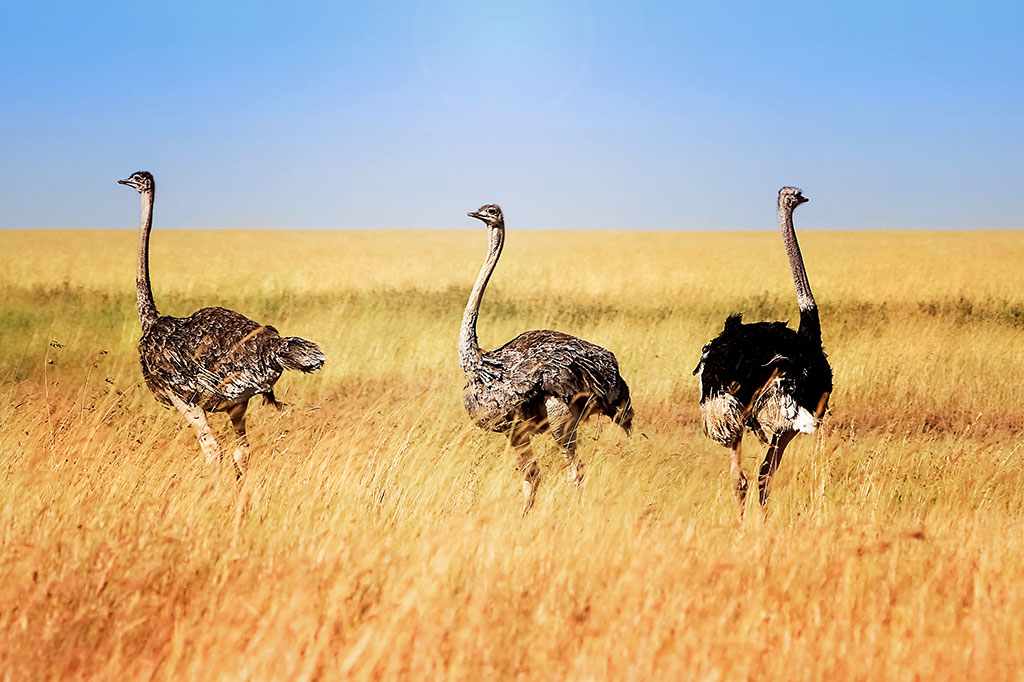
More than 500 bird species have been recorded here, including hornbills, bee-eaters, lovebirds, kori bustards, and many birds of prey. The swamps and river add waterbirds, and the green season brings migrant species.
Bring binoculars and enjoy the colour.
Tarangire can be visited all year, and the dry season is the most popular.
June to October is the dry season, when animals concentrate along the river and wildlife viewing is at its best. Elephants, wildebeest, zebras, and others move into the park from the surrounding areas.
November to May is the green season, with lush scenery, fewer visitors, and many migrant birds. Animals disperse more widely, so sightings can be less concentrated, and heavy rains from March to May can affect some tracks.
Tell us your dates and we will plan around them.
Tarangire offers more than game drives, depending on the season and rules.
Depending on your itinerary, you can enjoy picnic lunches by the river, photography, guided walks, or cultural visits. Some lodges and camps in the surrounding areas can arrange walking safaris, but options depend on the area and the season, so tell us what interests you.
Tarangire fits naturally with Lake Manyara, Ngorongoro Crater, and the Serengeti. You can also extend your journey with a Zanzibar beach holiday, or combine your safari with a Kilimanjaro climb.
Choose a Tanzania safari that includes Tarangire National Park. Every trip can be adjusted to your dates, pace and interests.
4 Days in Tarangire, Serengeti & Ngorongoro Crater
5 Days in Tarangire, Serengeti & Ngorongoro
6 Days in Tarangire, Ngorongoro, Serengeti & Lake Manyara
Tell us your dates and how you imagine your Tarangire safari, and we’ll design a journey around you.
Every traveller has different priorities.
Some come for the elephants and baobabs. Others want big cats, birdwatching, photography, or a quieter safari away from the crowds.
A private Tarangire safari lets your itinerary be shaped around your interests, travel dates, preferred accommodation, and desired pace.
Talk to a Tanzania safari expert →Answers to the questions travellers ask most about Tarangire National Park.
Tarangire is known for its large elephant herds, giant baobab trees, and excellent dry-season wildlife viewing along the Tarangire River. It also offers lions, leopards, buffalo, giraffes, and more than 500 bird species.
The park can be visited all year. June to October is the dry season, when animals gather along the river and game viewing is at its best. November to May is greener and quieter, with migrant birds, although heavy rains from March to May can affect some tracks.
Tarangire is one of the best parks in Tanzania for elephants, especially in the dry season. Wildlife is wild and sightings can never be guaranteed, but large herds are a highlight for many visitors.
Elephants, lions, leopards, and buffalo are found in Tarangire. Rhinos are not found in the park, so travellers who hope to see rhinos often add Ngorongoro Crater to their itinerary.
Many travellers spend one full day or one night in the park, often as the first stop on a longer northern circuit. A second night gives more time for game drives, birdwatching, and a relaxed pace.
Tarangire is south-west of Arusha and can be reached by road in a few hours. It is on the way to Lake Manyara, Ngorongoro Crater, and the Serengeti, so it combines easily with the rest of the northern safari circuit.
Yes. Baobab trees, river scenes, and elephants make Tarangire very photogenic, particularly in the dry season when animals gather in the open. Soft early-morning and late-afternoon light is especially beautiful.
Walking options depend on the area, the lodge or camp, and park rules. Some places in the surrounding areas offer guided walks. Tell us if you are interested and we will check what can be arranged for your dates.
Yes. Tarangire pairs well with Lake Manyara, Ngorongoro Crater, and the Serengeti. You can also climb Kilimanjaro before your safari or finish with a Zanzibar beach holiday, creating a complete Tanzanian journey.
Share your preferred travel dates, number of travellers, parks of interest, accommodation style, and budget. Your safari can then be designed around your priorities, whether you are planning a short wildlife escape or a longer journey across Tanzania.